MetaHuman: a digital human, animated with an iPhone
Building, lighting and facially animating a photoreal character in Unreal Engine
- metahuman
- unreal-engine
- live-link-face
- real-time
Before diffusion models could paint a believable face, real-time engines could already render one. MetaHuman is Epic Games’ framework for creating photoreal digital humans that run in Unreal Engine at interactive frame rates: a cloud-based creator for the face and body, a rig with hundreds of facial controls, and hair, eyes and skin shaders tuned by people who do this for film.
This was my first hands-on project with it, in 2023, and the reason I keep coming back to real-time 3D alongside generative AI: the two are converging, and understanding both sides is the point.
What I built
- The character. Configured in MetaHuman Creator from a blend of preset faces, then sculpted (jaw, brow, eye spacing) and given skin detail, hair grooms and clothing. Exported to Unreal Engine 5 through Quixel Bridge.
- Lighting studies. The same character rendered under three lighting rigs (soft key, hard side light, cool ambient) to understand how the skin shader reacts to light. The frames below are straight from the engine, no post.
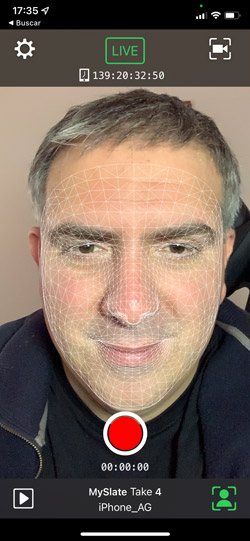
- Facial performance. Using the Live Link Face app on an iPhone, my own face was tracked with the TrueDepth camera and streamed to the MetaHuman’s rig in real time. The clip at the top is a short cinematic assembled in Sequencer from that capture.



Facial capture

Why it still matters
Generative video can now produce a face like this from a prompt, as the FLUX + Wan2.1 experiment shows. What it cannot yet do is give you a character you control frame by frame, relight, re-pose and drive with a performance. MetaHuman is that control. The interesting projects of the next few years will combine both: generative models for concept, texture and background, real-time rigs for direction.